Shooting and editing has been a staple of my career, backed by a trusted network of crew. Trusted shooter for Wex Photo Video.
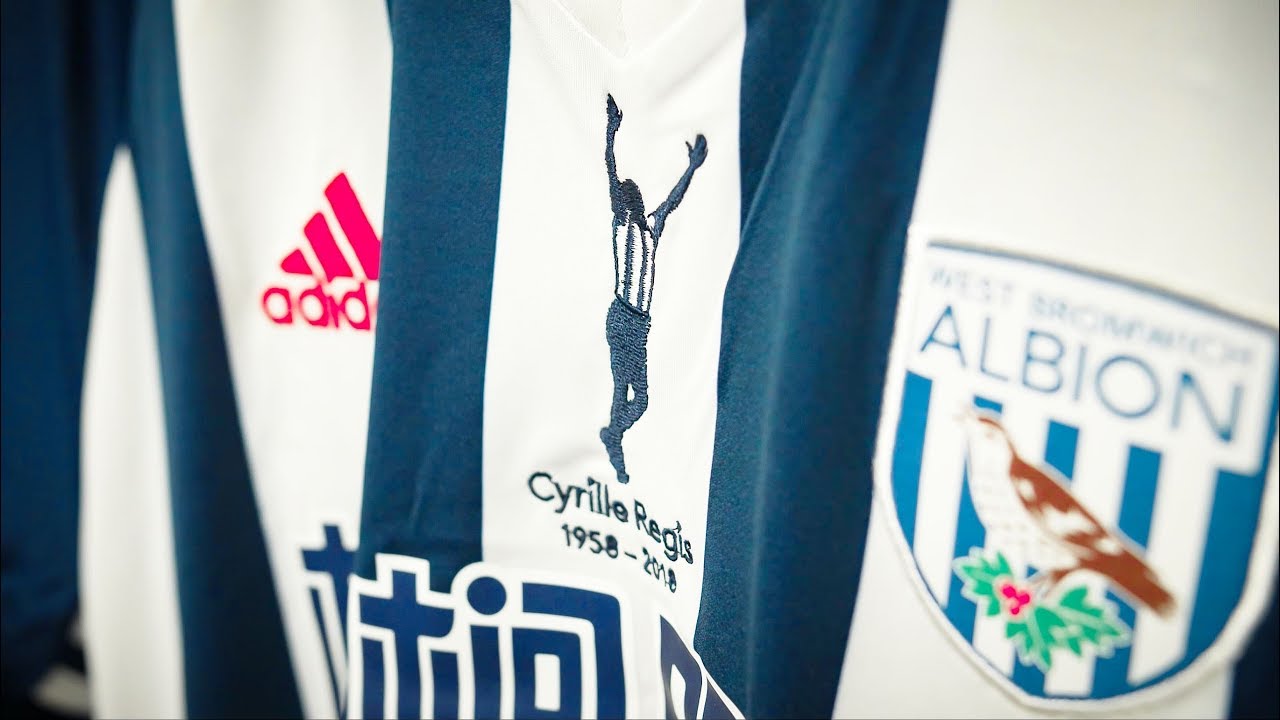
Royal Shakespeare CompanyGuinness Global InvestorsMidwich GroupWest Bromwich AlbionAston VillaBurnleyWex Photo VideoQ Design HousePSCOGVAV
How a shoot runs
Brief to delivery
00:00:00:00
Brief
A call to pin down audience, outputs and where it will be seen.
00:00:15:00
Plan
Recce, schedule, crew and kit. Fixed quote before anything is booked.
00:01:00:00
Shoot
Small footprint. Monitored and graded live.
00:02:00:00
Edit
Cut and colour in Resolve, with review links each round.
00:03:00:00
Deliver
Masters, social cutdowns and archived rushes.
Questions
Are you a videographer in London?
Yes. I'm a London-based videographer and production company making brand films, event videos and social content in London, Birmingham and across the UK.
What kind of videos do you make?
Brand films and promos, featurettes, people and product films, event coverage, live content and monthly social media packages.
Do you film events?
Yes. Full event coverage, plus same-day social edits so you can post while the event is still happening.
Who is on the crew?
A compact crew covering camera, lighting, sound and post-production, with one point of contact from brief to delivery.
How much does a videographer cost?
It depends on the crew, the number of shoot days and what you need delivered. Day rate and edit fee on enquiry; send me the brief and the dates and I'll come back with a quote.
Start a project
A rough idea is enough. I'll come back with questions and a fixed quote.
Emailhello@andyelvis.com
DIT · London & UK-wide
Digital imaging technician
Seven years working with Digital Orchard on shows for Netflix, Disney, Apple and Amazon. On commercials and music videos too, with a simple, dependable data workflow from first card to final delivery.
Workflow documents for HETV and feature projects that set out the project and platform requirements, so camera, DIT and post work to one agreed, easy-to-read plan from start to finish.
Live grade
Grade
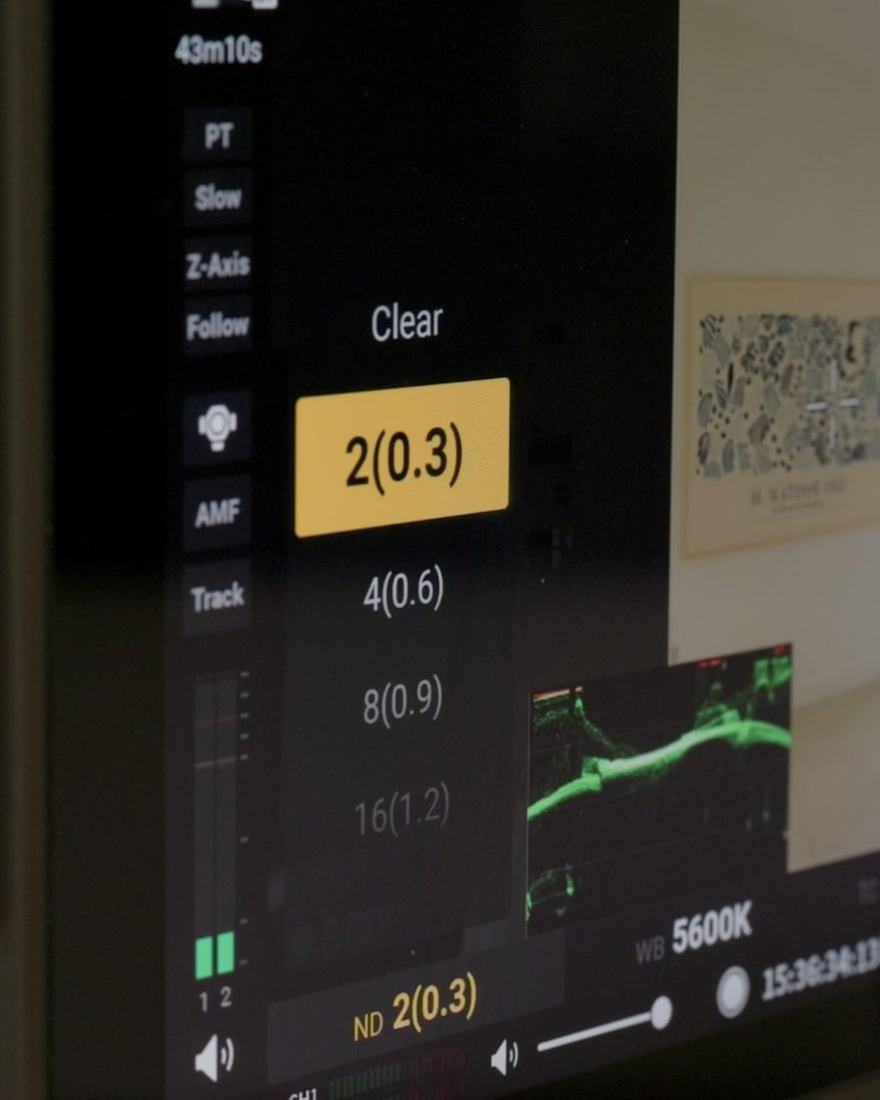
On-set monitoring and live grading on shows including Bridgerton (Netflix) and Silo (Apple TV+). Working with the DoP so colour and exposure are exactly as intended.
Colour
Looks
Looks built in DaVinci Resolve from mood boards and references, delivered as LUTs for any workflow, and carried through into post as a colourist.
DIT credits forNetflixDisney+Apple TV+AmazonITVBBC
Queen CharlotteNetflixWedding SeasonDisney+Lockwood & CoNetflixBridgertonNetflixThe Undeclared WarPeacock / Channel 4UnforgottenITVWatch the Sound with Mark RonsonApple TV+
Additional Unit DIT
SiloApple TV+
Data Manager · Main & Additional Units
The BatmanWarner Bros.The King's Man20th Century Studios
Additional
The Little MermaidDisneySpider-Man: Far From HomeSonyBohemian Rhapsody20th Century Studios
Dailies
Top Gun: MaverickParamountMission: ImpossibleParamount · additional unit
Lab
Death on the Nile20th Century StudiosOasis: Don't Look Back in AngerDisney
Seven years with Digital Orchard
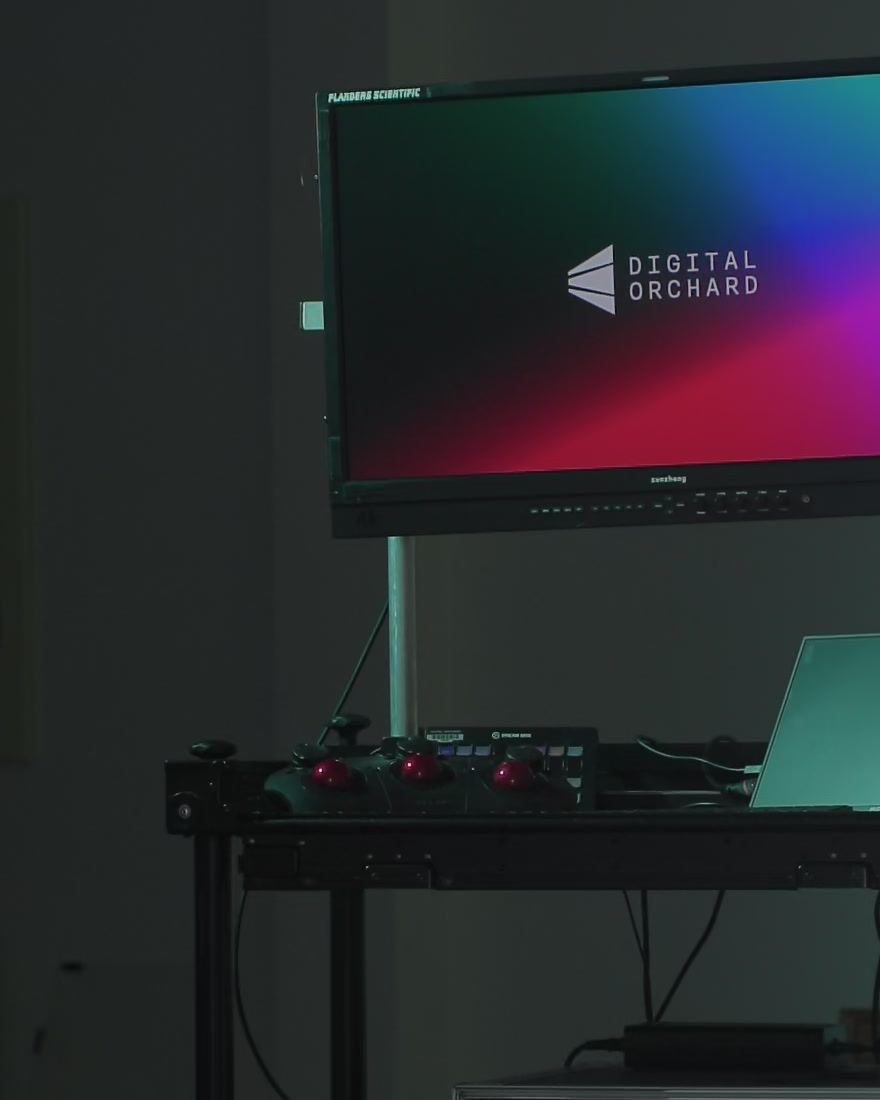
Digital Orchard are the on-set camera, DIT and dailies specialists behind many of the UK's biggest HETV and feature productions. I've worked with them for seven years, integrating their kit and workflows on set and developing alongside the team.
Away from studio shows, I bring the same approach to commercials and music videos, as a straightforward answer to data management.
A DIT (digital imaging technician) looks after the image from the camera to the edit. That means building the look with the DoP in prep, live grading and monitoring exposure and colour on set, and running checksum-verified offloads, backups and dailies so post gets exactly what was shot. I've written more about it in What is a DIT?
Which productions have you worked on as a DIT?
Main unit DIT on Bridgerton, Queen Charlotte, Wedding Season, Lockwood & Co, The Undeclared War and Unforgotten, and DIT on Watch the Sound with Mark Ronson. Additional unit DIT on Silo Season 2, and data manager on The Batman and The King's Man.
Where are you based?
London. I work regularly in Birmingham and the Midlands, anywhere else in the UK, and abroad when the job needs it.
What kit do you bring to set?
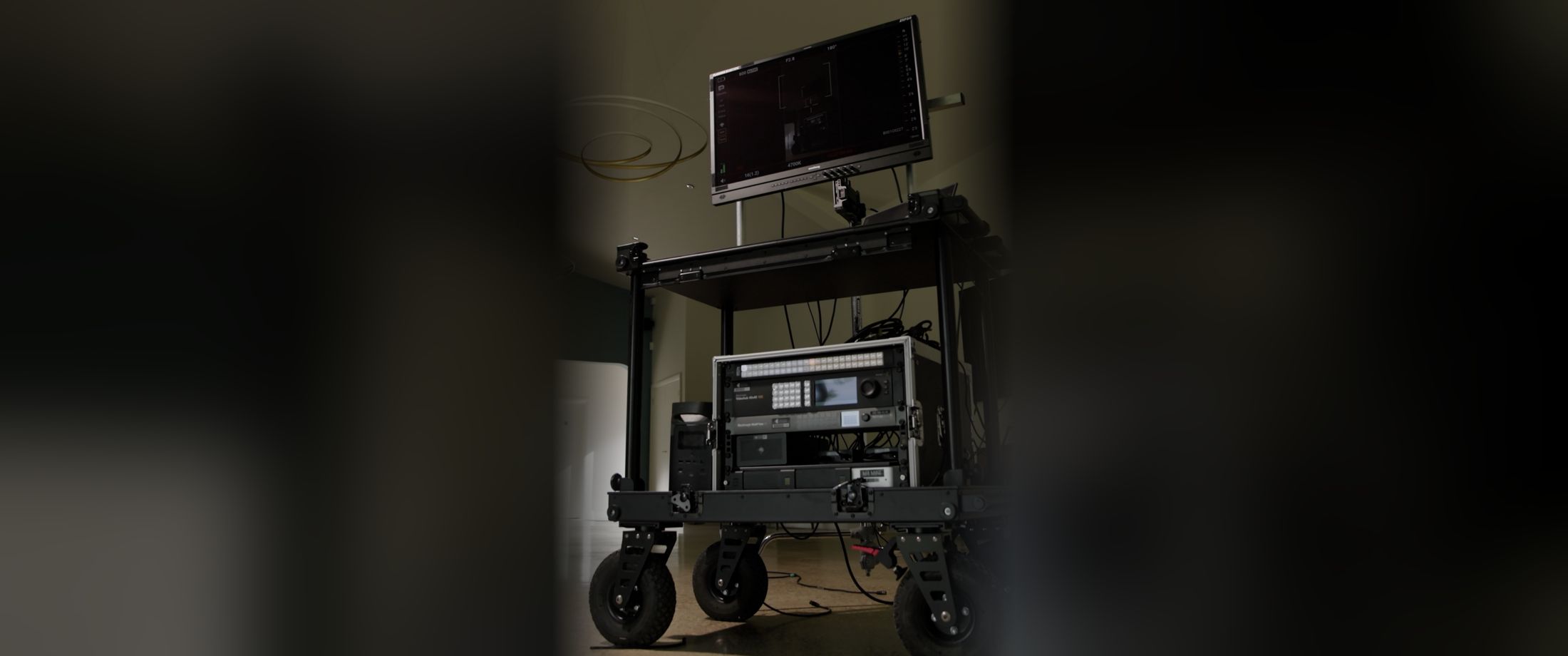
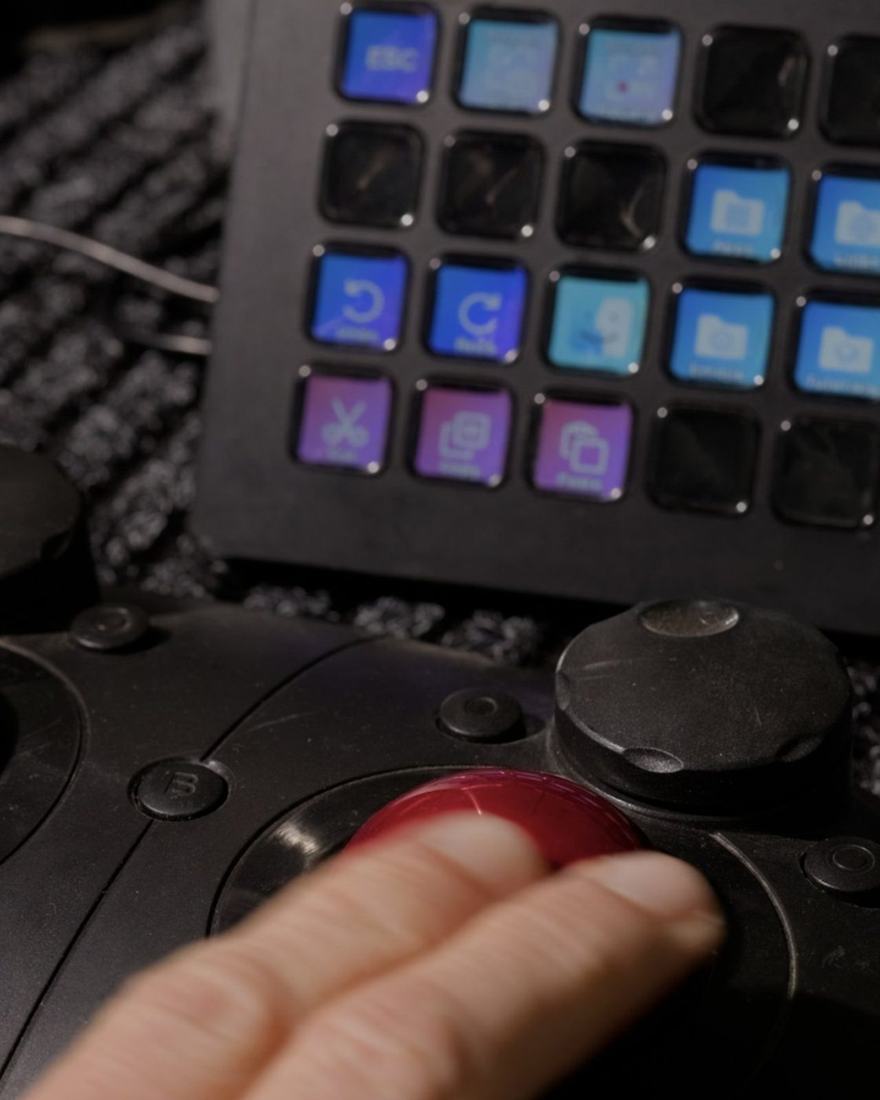
A fully custom DIT cart, built to the demands and scale of the job, with Livegrade, CDLs and show LUTs, ACES pipelines and DaVinci Resolve for dailies.
Book a DIT
Send the production, dates and camera package. I'll come back with availability and a quote.
Emailhello@andyelvis.com
Photographer · London & Birmingham
Music. Sport. Stills.
Mostly live events: festivals, gigs, match days and mass-participation races. Also portraits, theatre and product, shot to whatever the client needs.
Questions
What kind of photographer are you?
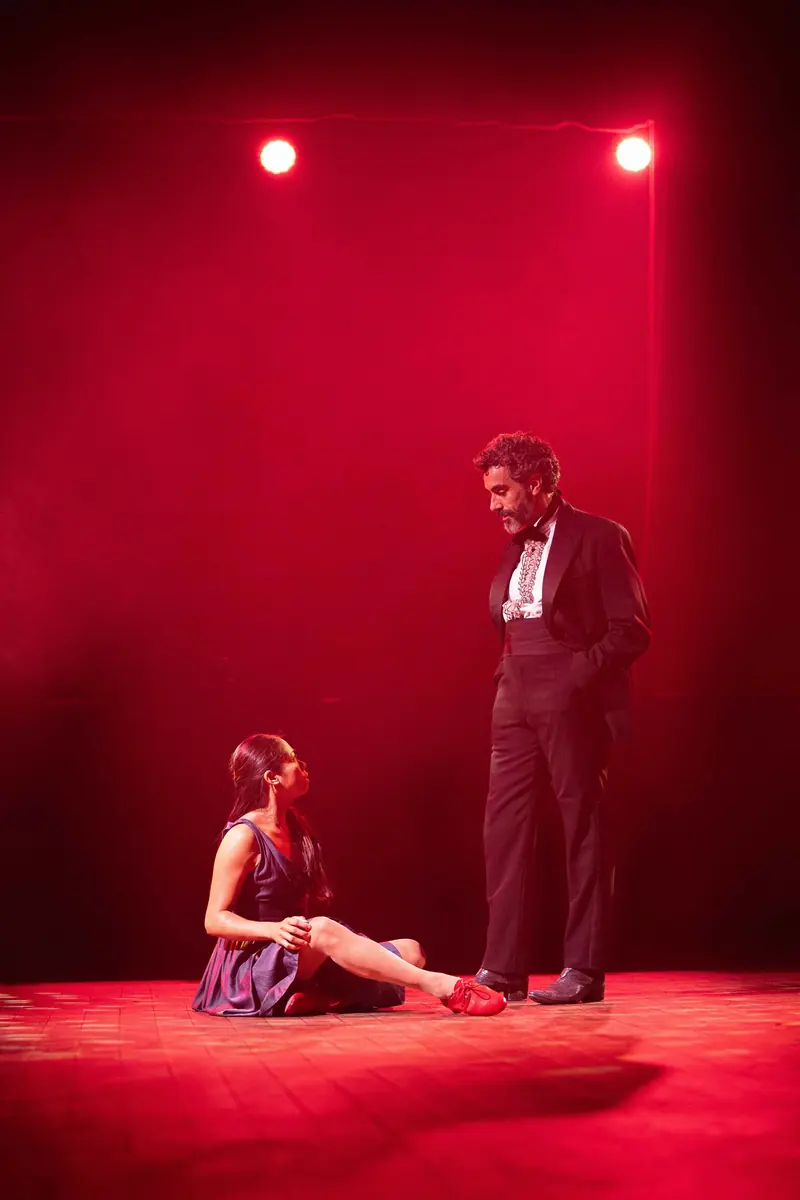
An event, music and sports photographer. That covers festivals and gigs (Bloodstock Open Air, Judas Priest, Scorpions), football match days (Aston Villa and West Bromwich Albion), marathons and parkrun, theatre for the Royal Shakespeare Company and product photography for Wex Photo Video.
Where do you work?
Based in London, working regularly in Birmingham and the Midlands and anywhere else in the UK.
What a Digital Imaging Technician actually does, from prep to handing the card back to camera.
DIT stands for Digital Imaging Technician. It's a camera department role, and in simple terms the DIT looks after the image from the moment it's recorded until it's in the hands of editorial.
That covers a lot more than just copying cards. Depending on the show, it can include managing camera settings, the look, monitoring, colour, and keeping on top of data security. And because camera technology keeps changing, the job keeps changing with it. No two productions define it in quite the same way.
On a smaller shoot, one person might do all of it. On a bigger production, the work gets divided up: a data manager handles the backups and the dailies, while the DIT sits closest to the DP, looking after the image and maintaining the workflow.
It starts in prep
Most of the important decisions happen before anyone's on set. In prep, the DIT sits down with the DOP, ideally the colourist, and post-production, and works through the pipeline:
What camera are we using?
Which format, what resolution, what codec?
How is the show's look built?
How much storage will we need?
How will we get the footage from set to post at the end of each shoot day?
A lot of DPs will bring references, like frames from films, stills or a mood board, and part of the DIT's job is turning that into something technical that holds up from set right through to the final grade. Getting it all right in pre-production heads off problems that would otherwise turn up in post.
On set: the DP's second pair of eyes
Once shooting starts, the DIT becomes the DP's second pair of eyes. While the DP is lighting and running their teams, the DIT is watching waveforms, vectorscopes and false colour, and keeping an eye on accuracy and consistency.
How much the DIT gets involved creatively is up to the DP. For some, that means grading live so everyone on set sees the intended look. For others, it means suggesting ND or exposure changes, and keeping the intended look consistent across multiple days, even if the same scene is shot weeks later.
The data workflow
Workflows vary, but the basics are as follows:
The card comes off the camera.
The footage is copied and verified with checksums, so you know the copy is bit-for-bit identical.
It's backed up to multiple drives.
It's organised, logged and reported.
Someone watches it back to make sure it plays and looks correct.
Once everyone is happy, the DIT formats the card and returns it to the camera team.
When it's done well, nobody notices
When a DIT does their job well, no one really notices. The DP is happy with their image, post gets their footage, and everything is correctly logged and reported for the rest of production.
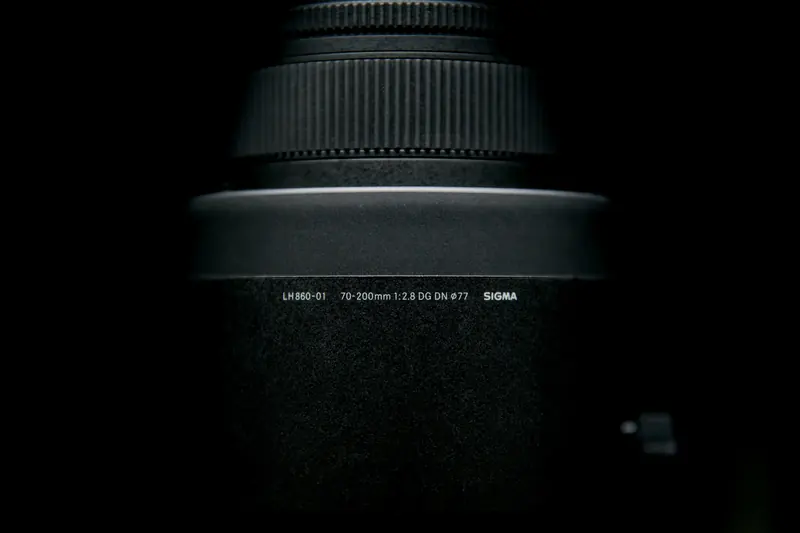
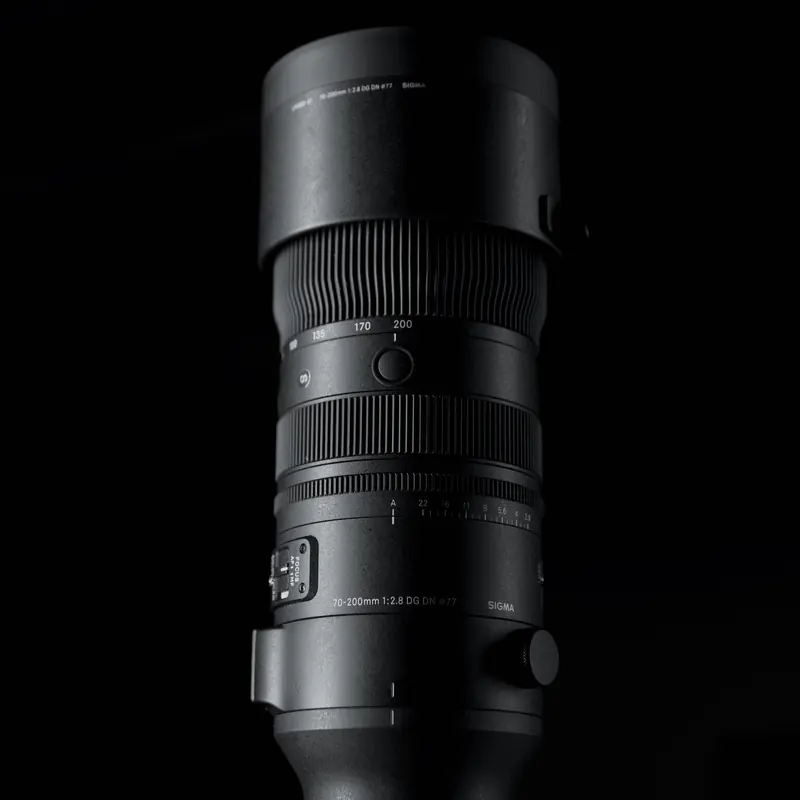
The Sigma 70-200 f/2.8 Sports lens for L-Mount (Panasonic, Leica, Sigma, Blackmagic). A fantastically flawed lens?
Focal length
70-200mm
Aperture
f/2.8 to f/22
Stabilisation
Yes
Filter thread
77mm
Close focus
0.65m (25.6") at 70mm; 1m (39.4") at 200mm
Hood
Screw-fix
Weight
1345g (L-Mount)
RRP at review
£1500
A review slightly late to the game
At the back end of 2023, Sigma released what I believe to be an incredibly anticipated lens, a new 70-200 f/2.8 Sports lens to satisfy the hunger of photographers and filmmakers who had made the switch to L-Mount via Panasonic or Leica (or, indeed, Sigma themselves). The questions to ask are: how does it handle, was it worth the wait, and is it worth the asking price?
I hasten to add, I'm not into doing the scientific tests. There are tons of those and everyone has a chart these days, so please enjoy the samples I've provided and the words I have chosen to say.
Size. Weight. Build.
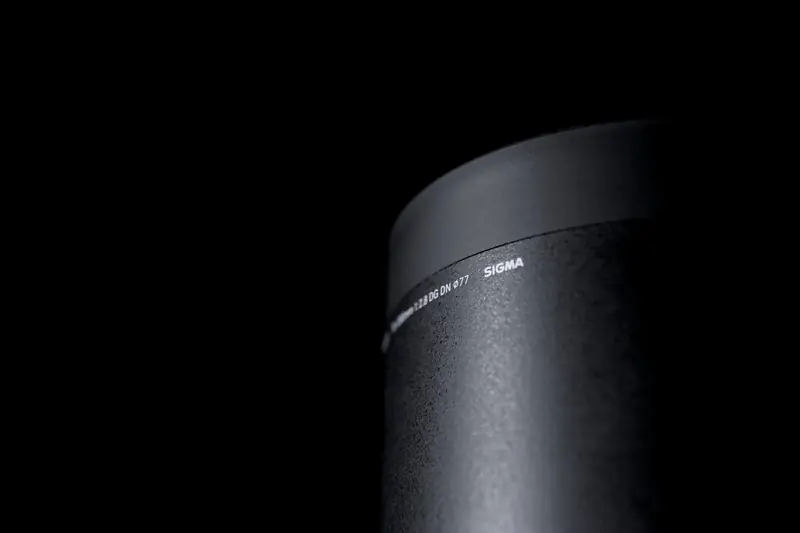
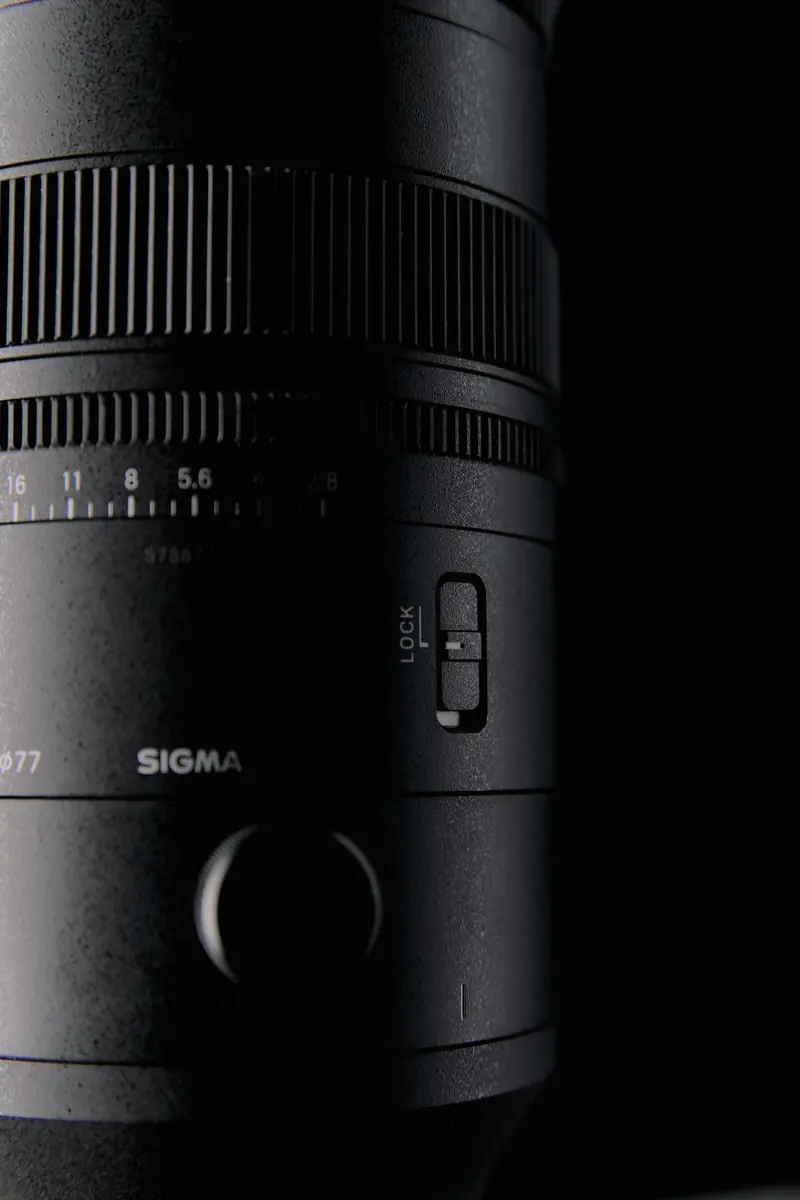
Anyone who's handled a 70-200 before should feel fairly familiar with the lens' size and weight. Weighing in at 1345g, it's not the heaviest nor the lightest lens to grace the category, but a respectable weight nevertheless, and one that initially feels great. I haven't ever found myself thinking that it's too heavy. There's a 77mm lens thread for all your filtering needs, and while that's great, it doesn't quite line up with the more typical 82mm.
Step-up and step-down rings, however, are only a few quid from Amazon, so it might be worthwhile going all in on some 82mm filters and adapting them to smaller diameters. It does keep the lens feeling small-ish in the hands despite its obvious girth, but 77mm threw me off when I got the lens in my hands. I naturally assumed it would be 82mm.
It's a pretty solid feeling lens too: the zoom ring feels stiff but sturdy, and the focus ring glides super silky. No real complaints here about how the rings handle, but there is one thing I thought I'd have a massive gripe about, and it turns out I did.
Placement of the zoom ring
I never thought I'd outwardly have a problem with how the zoom and focus rings are aligned.
"It's just a small shift of the hand," I said to myself, eagerly fixing it to my Panasonic S5IIX.
Oh, how wrong I was. I'll explain a little more in depth later, but in a nutshell I found that the small shift of hand placement makes a massive difference to how I used the lens. Often I'd just forget to zoom at all and kept my focal length at around 200mm.
If anyone's familiar with Jared Polin (Fro Knows Photo) on YouTube, he touches on this as well, saying that it's just enough to throw you off balance, and just feels a little… clunky in the hands.
The second part that irks me is the lens hood.
The lens hood found on the majority of lenses has a simple twist-and-click mechanism. I had it with my Sigma 24-70mm f/2.8, my Sigma 18-35mm f/1.8 and 50-100mm f/1.8. It's a tried and true method that extends to most camera manufacturers: twist and click is just easy.
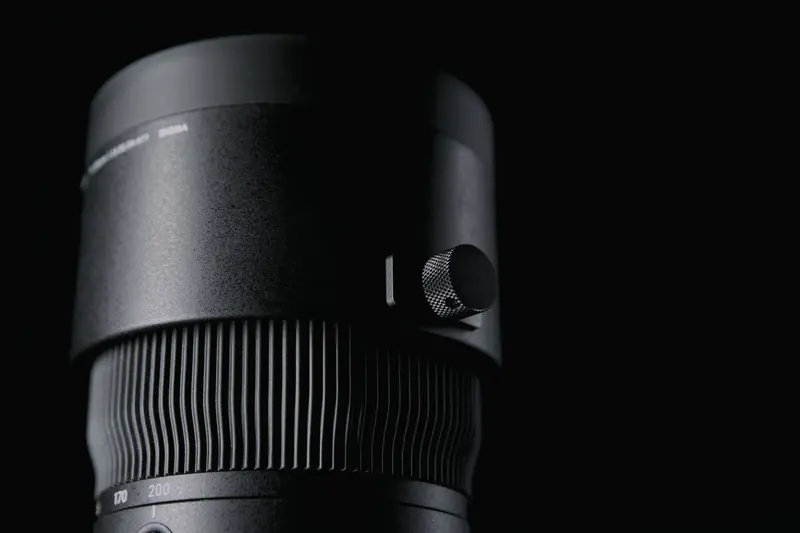
But with the 70-200mm, Sigma have opted for the more 'traditional' sports hood design, which is a case of screwing the hood on and unscrewing it back off, as seen in the photo below.
Firstly, you can't get to the zoom ring while the hood is in the 'retracted' position. You can't just switch the camera on, select a focal length and get some shots. The hood either needs to be on, ready for shooting, or off completely; there's no in-between. Which I've found, on more than one occasion, is just annoying. Even a little gap to reach the zoom ring would be enough, but it's just not possible.
Secondly, when the hood is on and you're ready for shooting, the hood covers part of the zoom ring. So even if you're geared up ready to shoot, the real estate for your hands to adjust the lens is limited by design.
But let's talk about overall feel. If we're set up and ready to shoot, I do have a problem with the zoom ring being the outer ring on the lens. It's just not as convenient to adjust. On my old Canon R7 and 70-200 f/4, I could rest my palm on the bottom of the camera body and adjust the zoom with my fingers at the same time, which made me a faster shooter. With the Sigma 70-200mm f/2.8 there's no real way to have another point of contact to stabilise yourself, which ultimately could impede your ability to get a shot. I suppose it depends on how adaptive you can be.
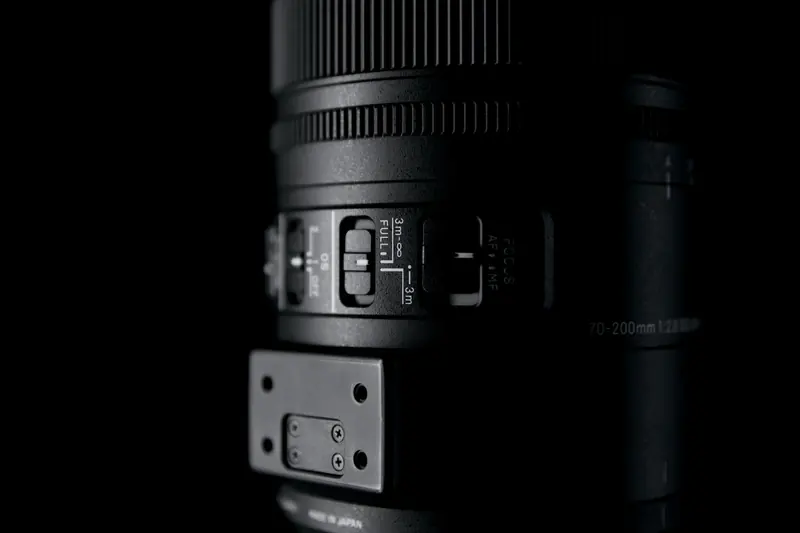
There are a couple of buttons on the lens that, at least for me, I couldn't figure out how to customise on my Panasonic S5IIX, but they're there (I assume you'll have a better time with these if you choose the Sony E-mount version instead). There are the classic focus limiter and Optical Image Stabilisation switches, which are what they are; no real talking point there.
There's a de-clickable aperture ring, which you'll leave in auto and use the body to change f-stop, unless you're a filmmaker wanting a smooth stop pull during a take. I guess it's a nice feature to have, and it complements the rest of the latest Sigma lenses, although I wonder how many people would use it. With the lens being heavy, you'd want a FIZ system on there and have someone do it remotely, and at that point it seems a bit silly really. Mind you, people will find a use for it, so it's nice that it's there.
Performance
Performance is, ultimately, the name of the game. How does the lens perform optically, and how does it perform mechanically?
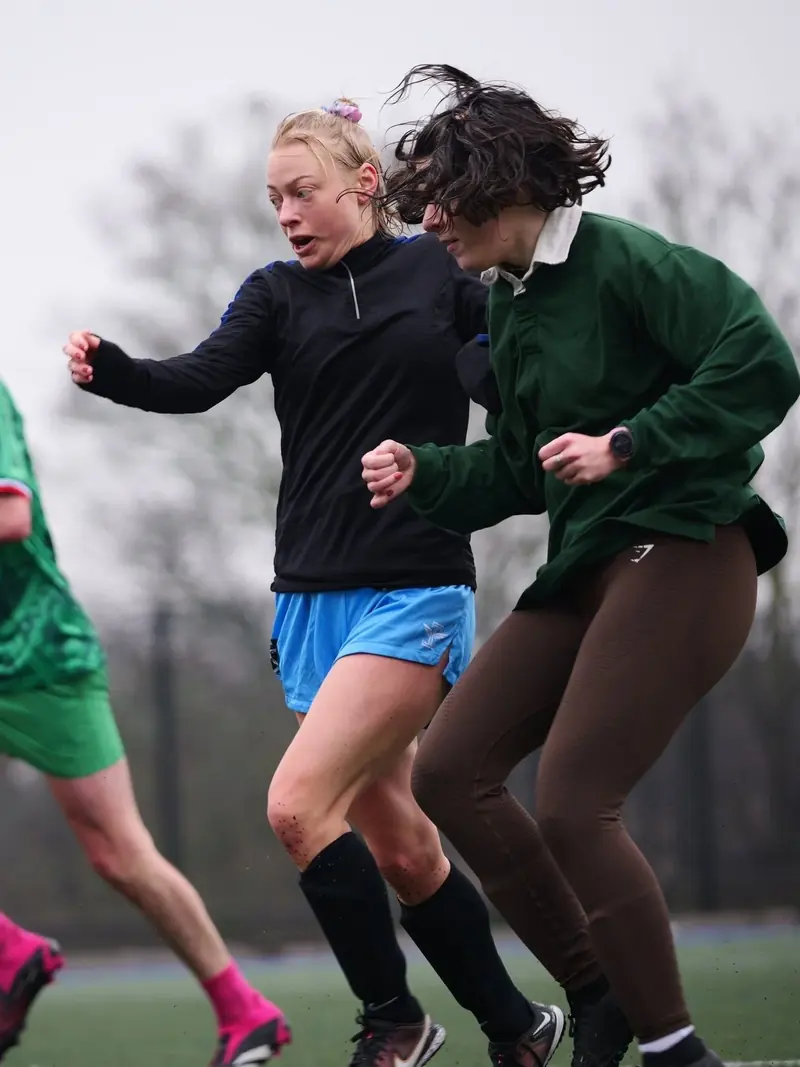
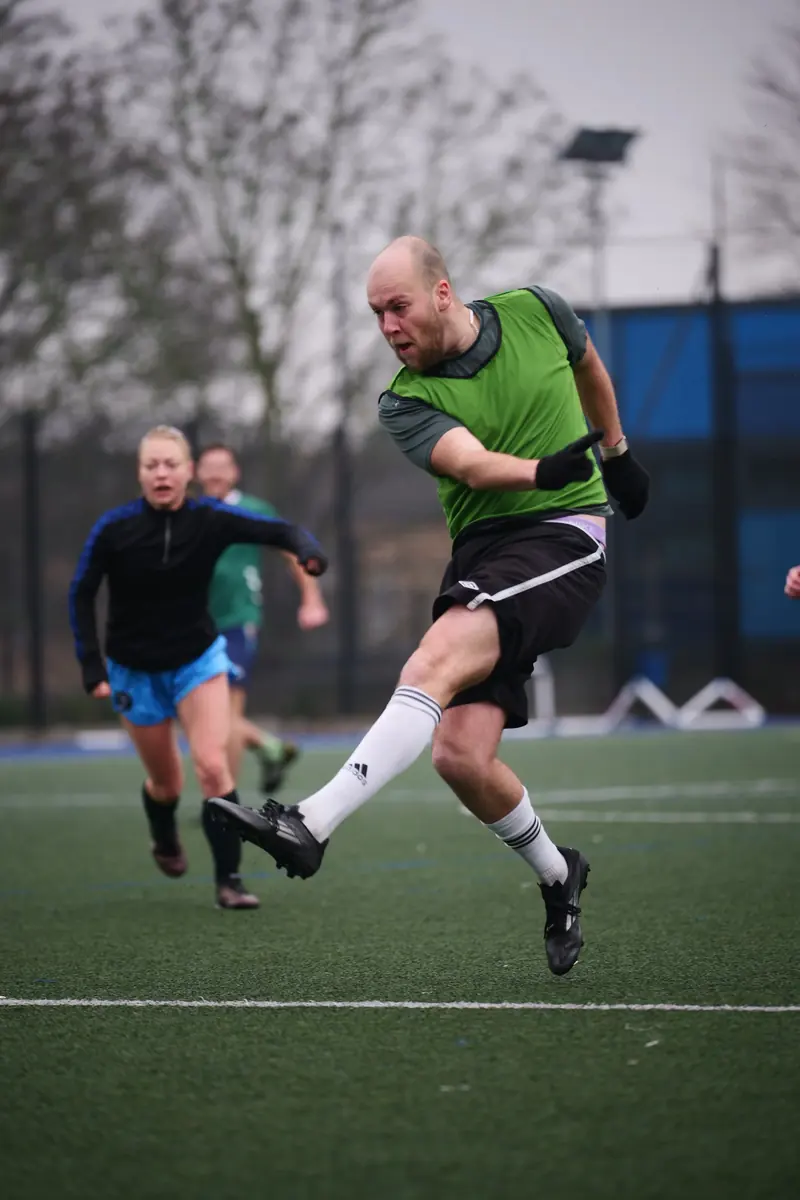
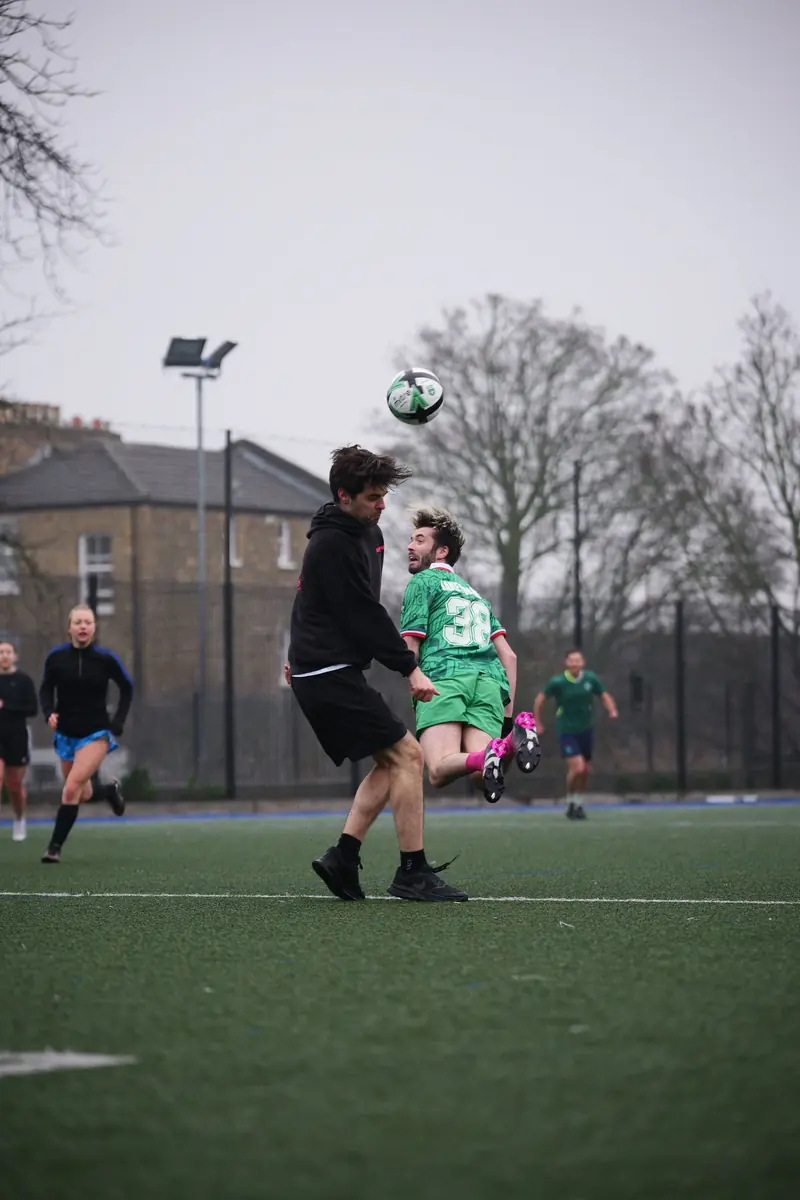
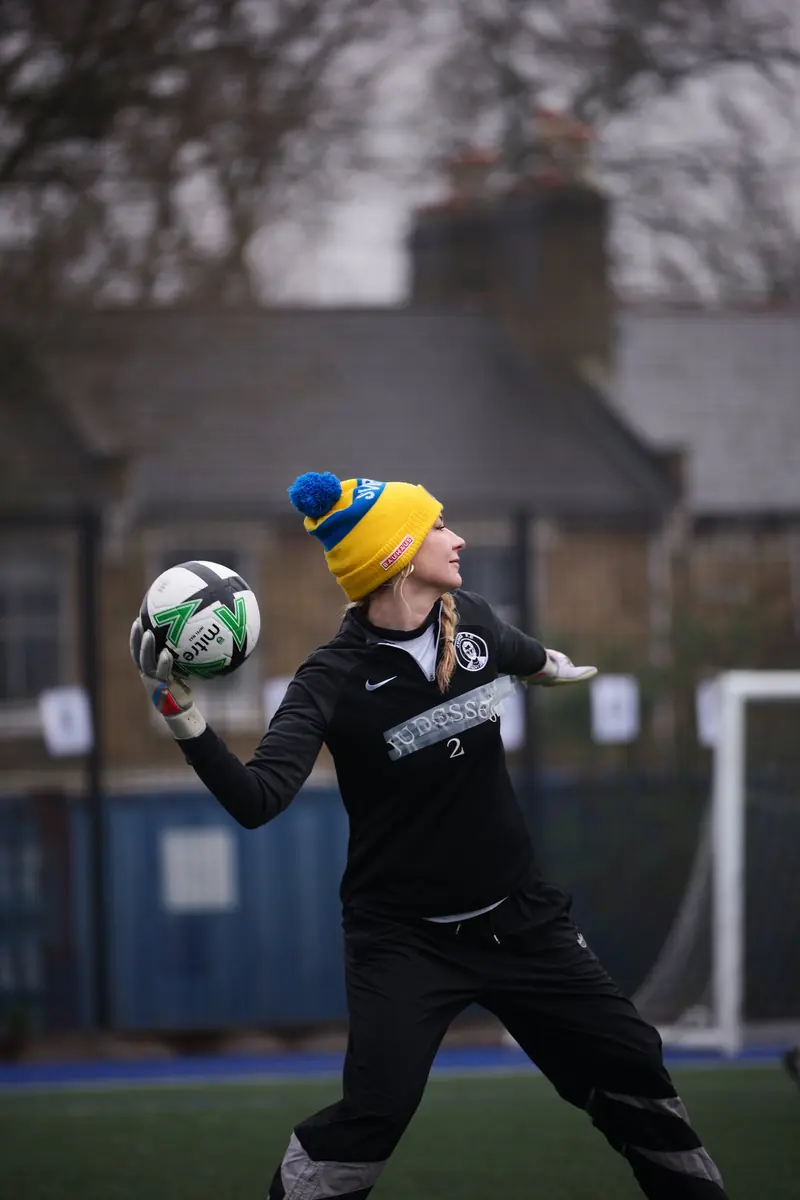
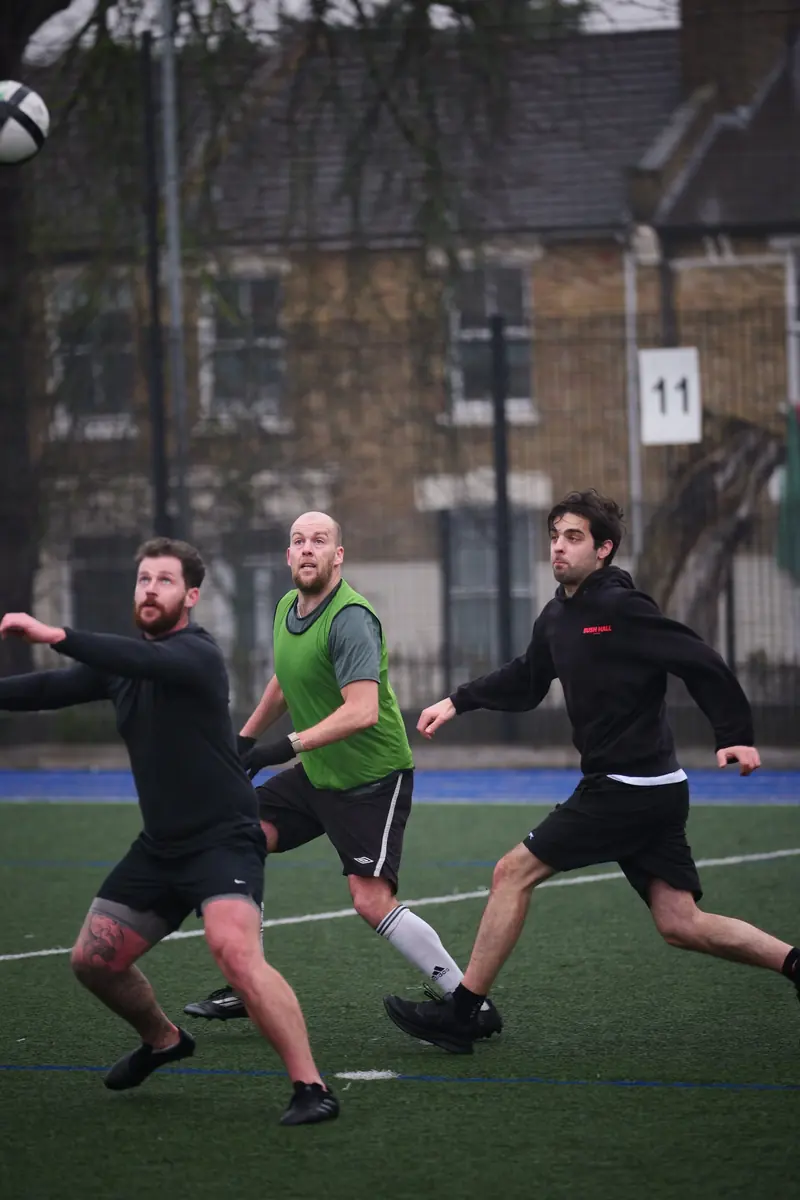
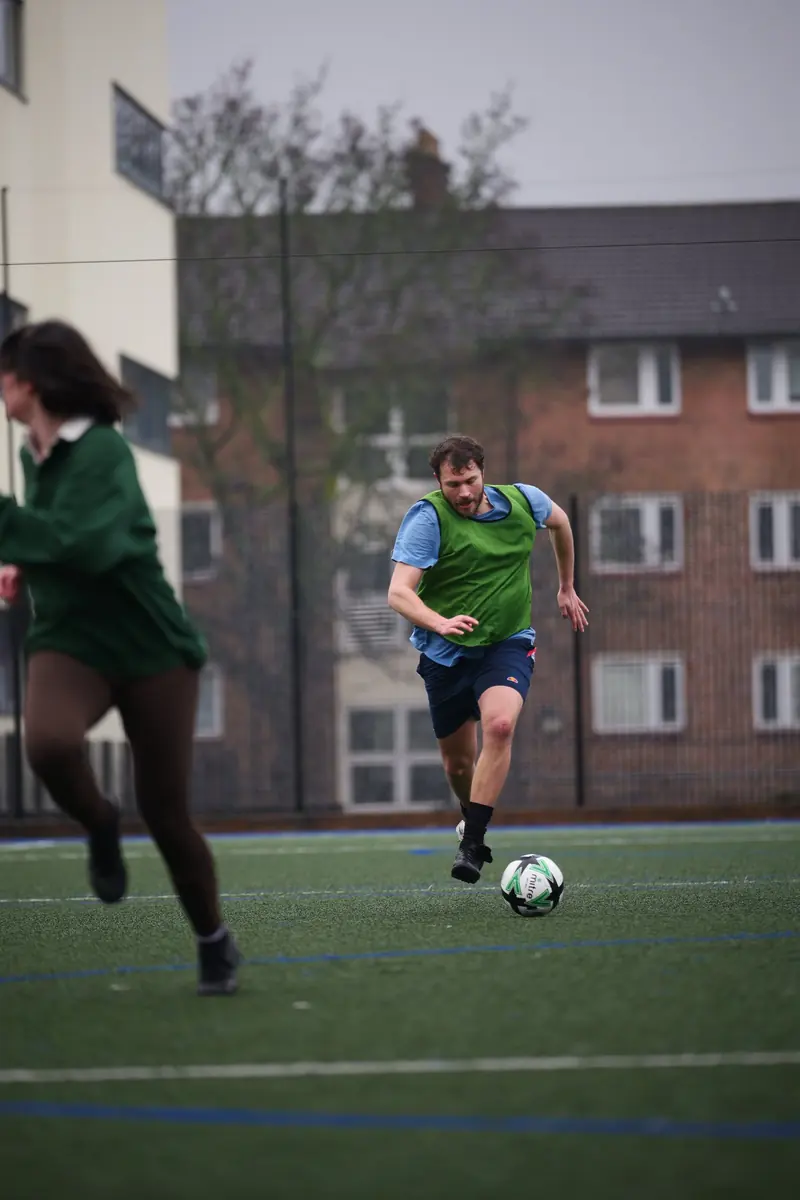
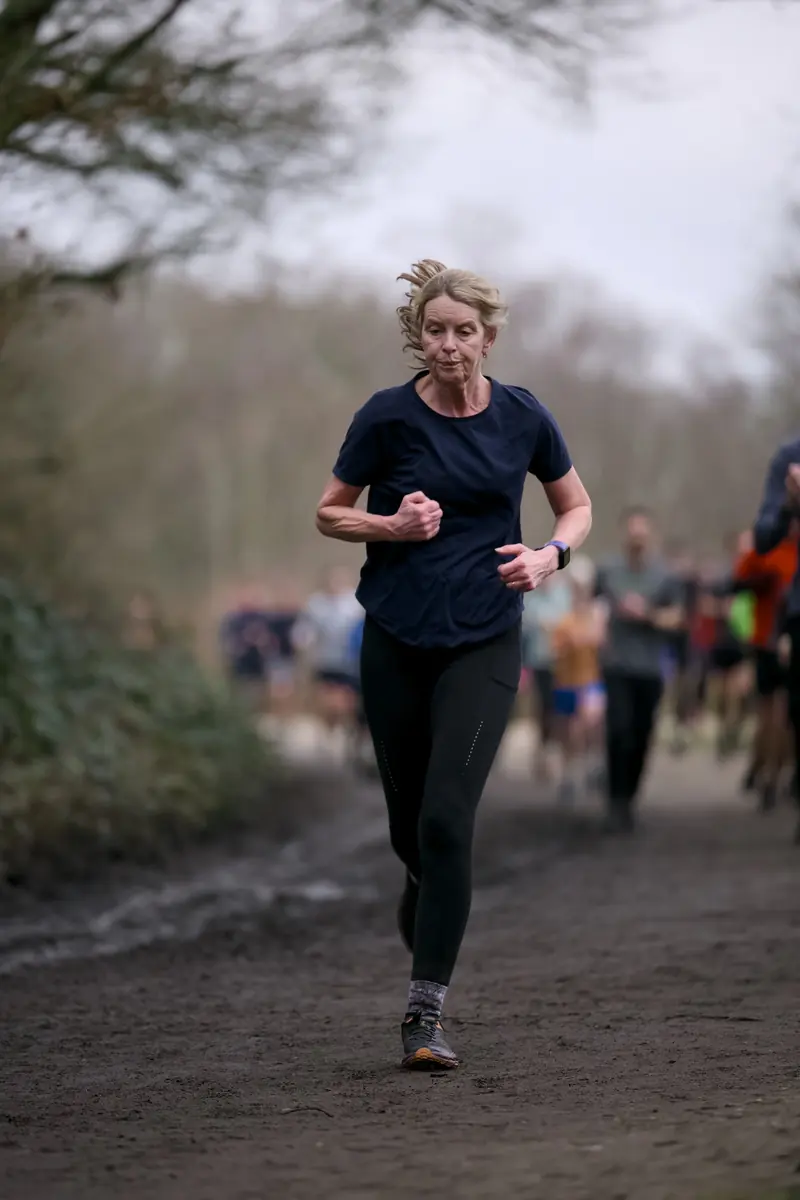
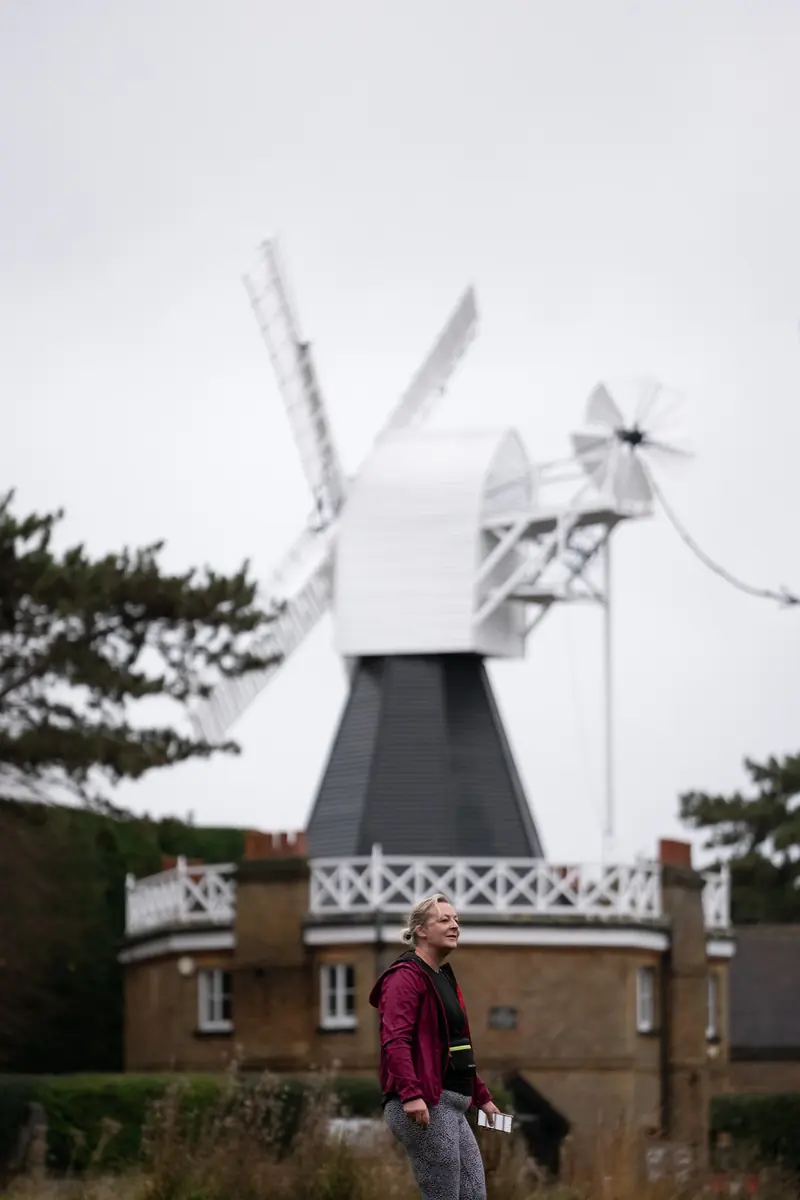
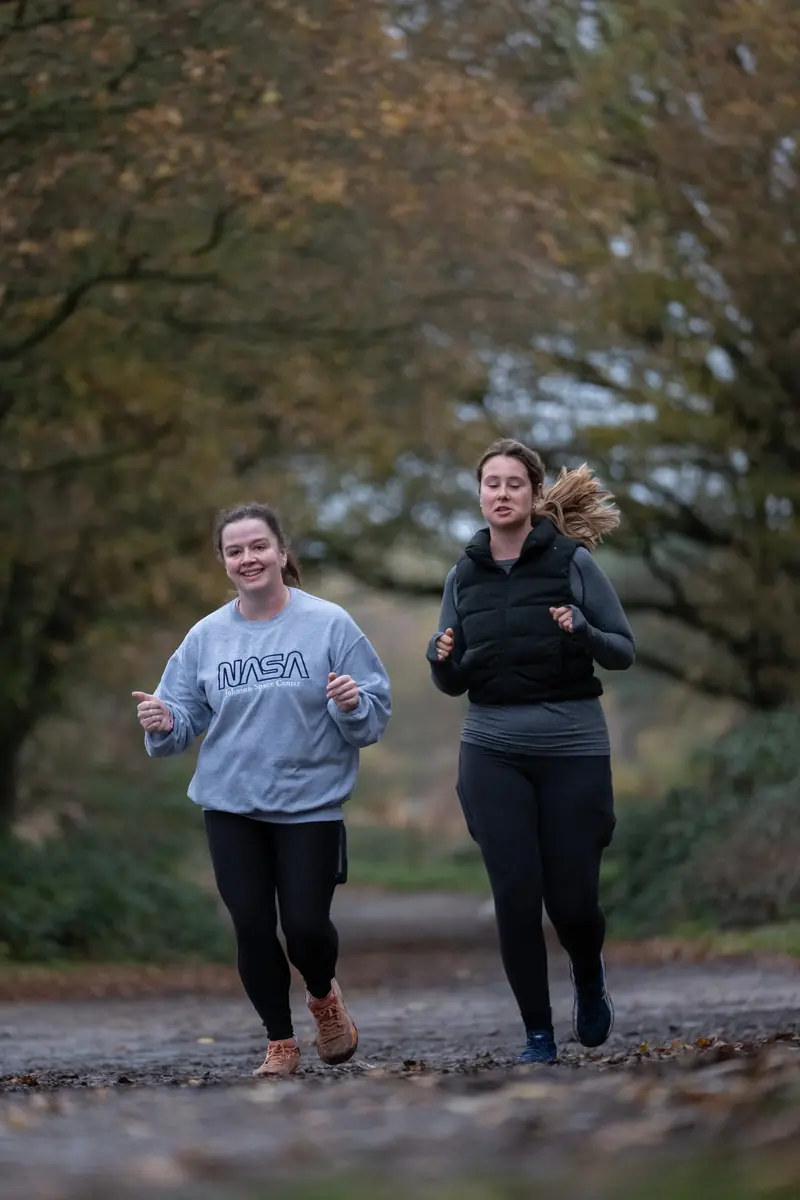
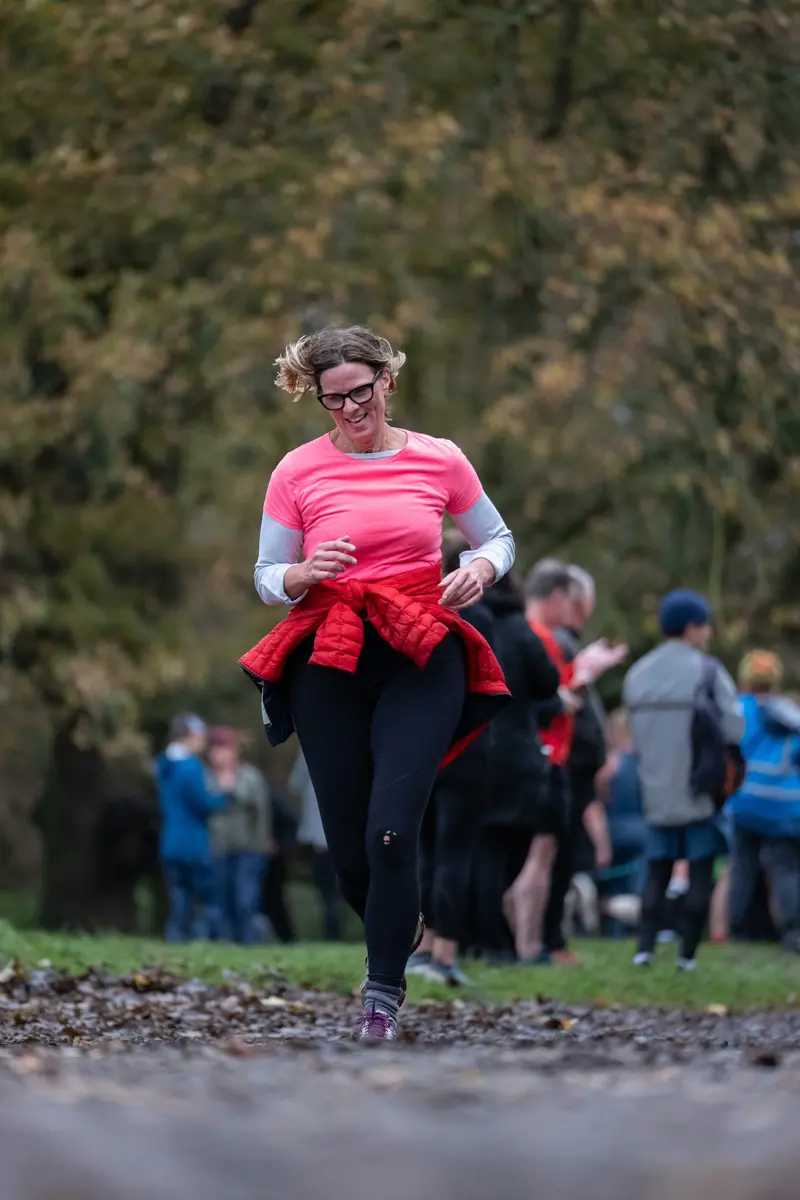
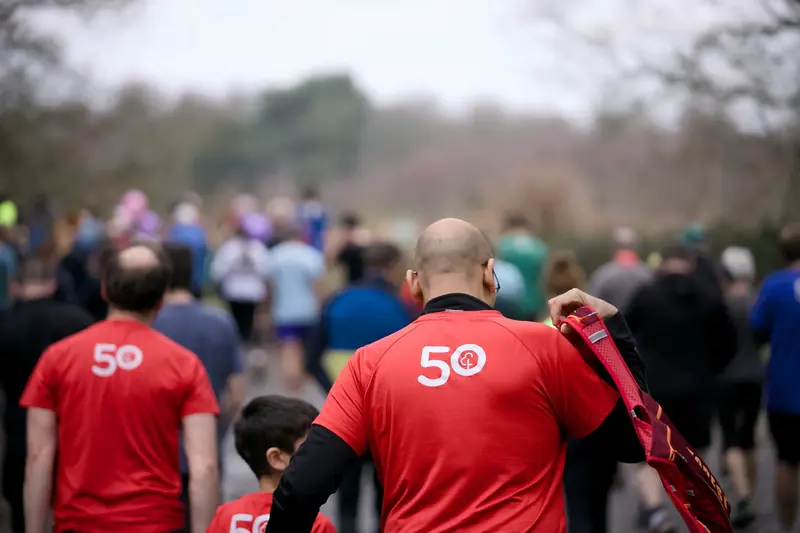
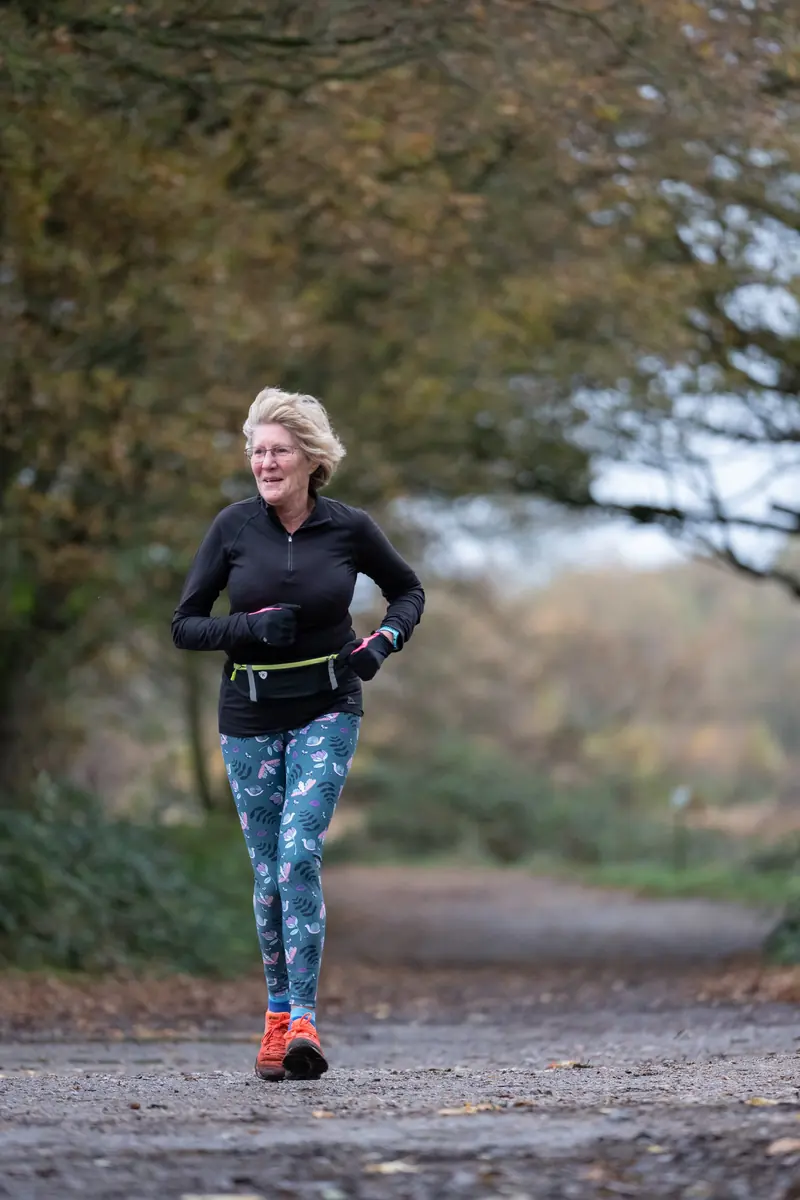
I took the lens to two separate spots on two separate occasions: photographing the fine runners at Wimbledon Common's weekly parkrun, and visiting a good friend of mine playing a mixed 7-a-side game of football in Clapton.
First, let's talk football
Going down for a completely no-pressure shoot was bliss; it's not often I can go and 'have fun' with it. The fantastic Clapton Cobras welcomed me with open arms. Plus, it's football, and I love football.
The biggest test here was autofocus speed. A lot of that comes down to camera settings, but I set the camera to lock onto a target and adjust as quickly as possible. The Panasonic S5IIX kept up fairly well, and the lens was pretty zippy and accurate. I was actually quite surprised that 95% of my shots hit and stuck, even during burst shooting.
In terms of sharpness, there's a whole heap of shots where I can see water droplets coming off the football or the players, with very little chromatic aberration to speak of.
But I'll refer back to the lens hood and the zoom ring here; this was the shoot where I noticed it the most. I just couldn't get used to zooming in and out while keeping a lock on the action to the best of my ability. Would I be able to get used to it? Yeah, I'm pretty sure I will, but it's a new learning curve, and I'm a bit perturbed that I have to learn it all over again.
These shots were all taken at f/2.8, at various shutter speeds and ISOs, and the optics are pretty pin-sharp throughout the zoom range.
The S5IIX has great in-body stabilisation, and paired with the Sigma 70-200 f/2.8 (I'm led to believe any L-Mount lens should be considered 'first party'), having the two work together was pleasantly unnoticeable. And for stills, in my opinion, it shouldn't be noticeable: it should just do its job and solve a pretty hefty problem in the background.
Click any image to see it full size.
All images have had slight brightness and contrast edits; otherwise, they're pretty much unedited.
The challenging conditions at parkrun, under cloud cover and woodland shelter, proved quite troublesome. I pushed my ISO to about the limit I'd be happy with. There are degrees of acceptability for all photographers, and mine certainly got pushed on that occasion.
Still, the lens and camera combo had no problems nailing focus, which is one less thing to worry about.
In the image above you'll see an empty space, which is where the tripod mount would be. I've taken it off because I don't think the lens is heavy enough to damage the mount, but it's heavy enough that I'll shave a few grams off where I can. It would be much better if I could take the entire ring off, but I'll make do with just removing the tripod foot.
For those who would use the tripod mount, there's a standard 1/4" screw, or the foot doubles as an Arca-Swiss dovetail, which is a nice touch.
Competition
On L-Mount, the competition is the Panasonic 70-200 f/4 or f/2.8. Both are bulkier and heavier, with what's generally seen as better sharpness and a manual focus clutch. Otherwise there's the Samyang 35-150mm f/2-2.8, which offers a wider perspective and a faster stop at the wide end. Not one I'd generally consider, but the internet seems to really dig it.
The Panasonic commands a higher price, whilst the Samyang can be found for around £1000, almost £500 cheaper, but I'd argue they're lenses for different subjects. 150mm, I think, is too short for telephoto and sports work, but I'll happily be told I'm wrong.
I could end up comparing it to the likes of Canon, Nikon, Sony and the rest, but I suspect if you're reading a review of the L-Mount version of the lens, it's because you already have an L-Mount camera.
Summary
Even with its suspect handling, the Sigma 70-200 f/2.8 really does shine for optical quality against price. It's not the best in any category, but certainly not the worst. I think it delivers very pro-level performance in a great package, once you get used to it.